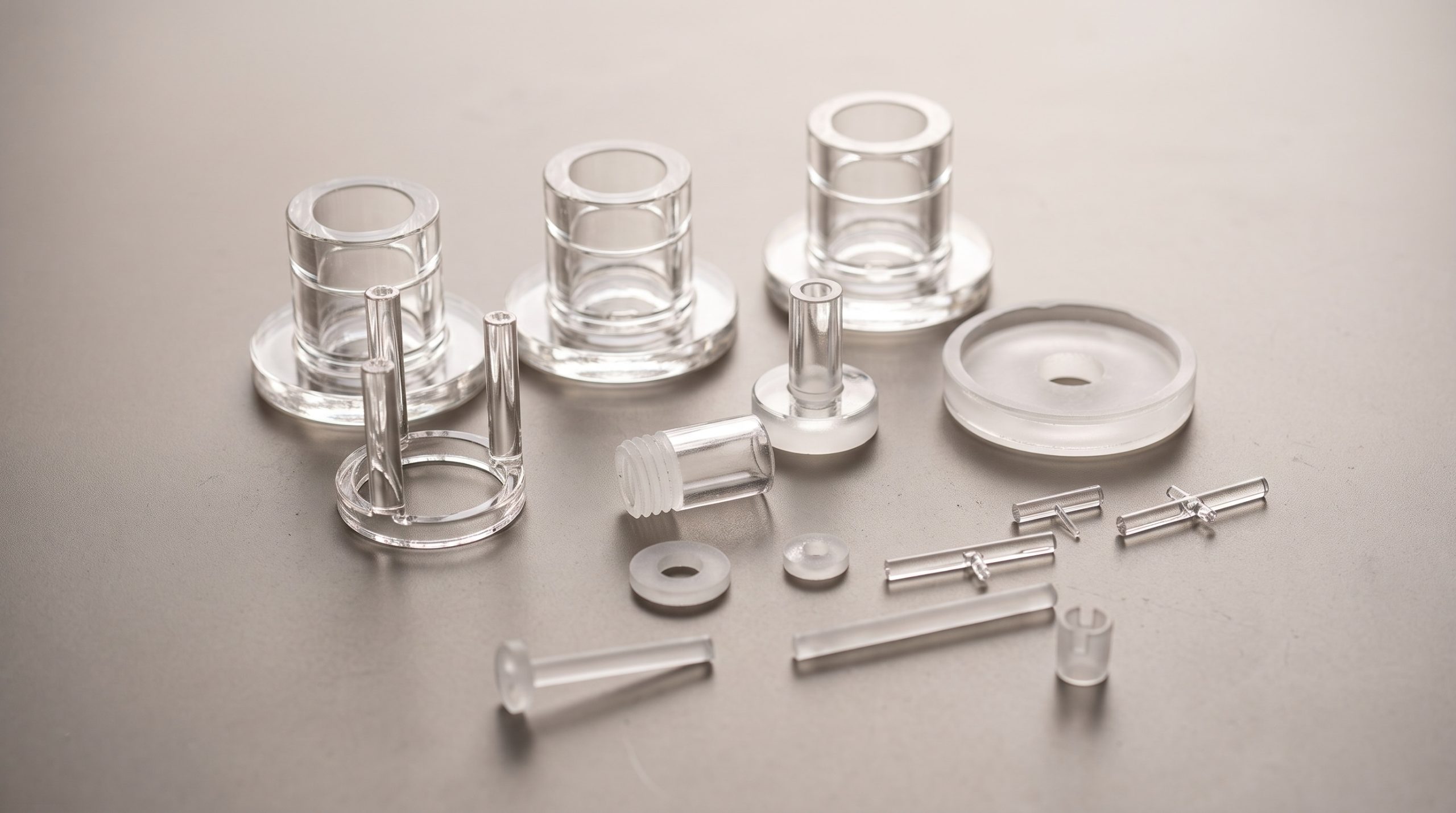
Five custom quartz tubes can be a serious engineering requirement—even if they are not a large order.
For R&D teams, laboratories and semiconductor equipment support groups, the immediate question is often practical: Can a small quantity be reviewed, made and delivered without a production-scale commitment?
At ZPURE Quartz, small-batch inquiries are welcome for technical review. That does not mean every design is feasible at every quantity. Material availability, geometry, inspection needs and setup work still determine what is practical.
Why ten pieces can cost more per unit
Low quantity is only part of the cost. A custom fused-quartz component may require suitable starting tube or rod stock, cutting, flame forming, machining, inspection and careful packing. Some preparation work is necessary whether the order contains five pieces or fifty.
Consider a closed-end quartz tube with a specified outside diameter, wall thickness and end geometry. The availability of starting stock and the method used to form and inspect the closed end may matter more than the quantity itself. A drawing that looks simple can still require a careful manufacturing review.
These fixed or minimum costs are spread across fewer parts in a small run. The unit price can therefore be higher than expected. But purchasing only the quantity needed for an early test may still be more sensible than holding unnecessary inventory.
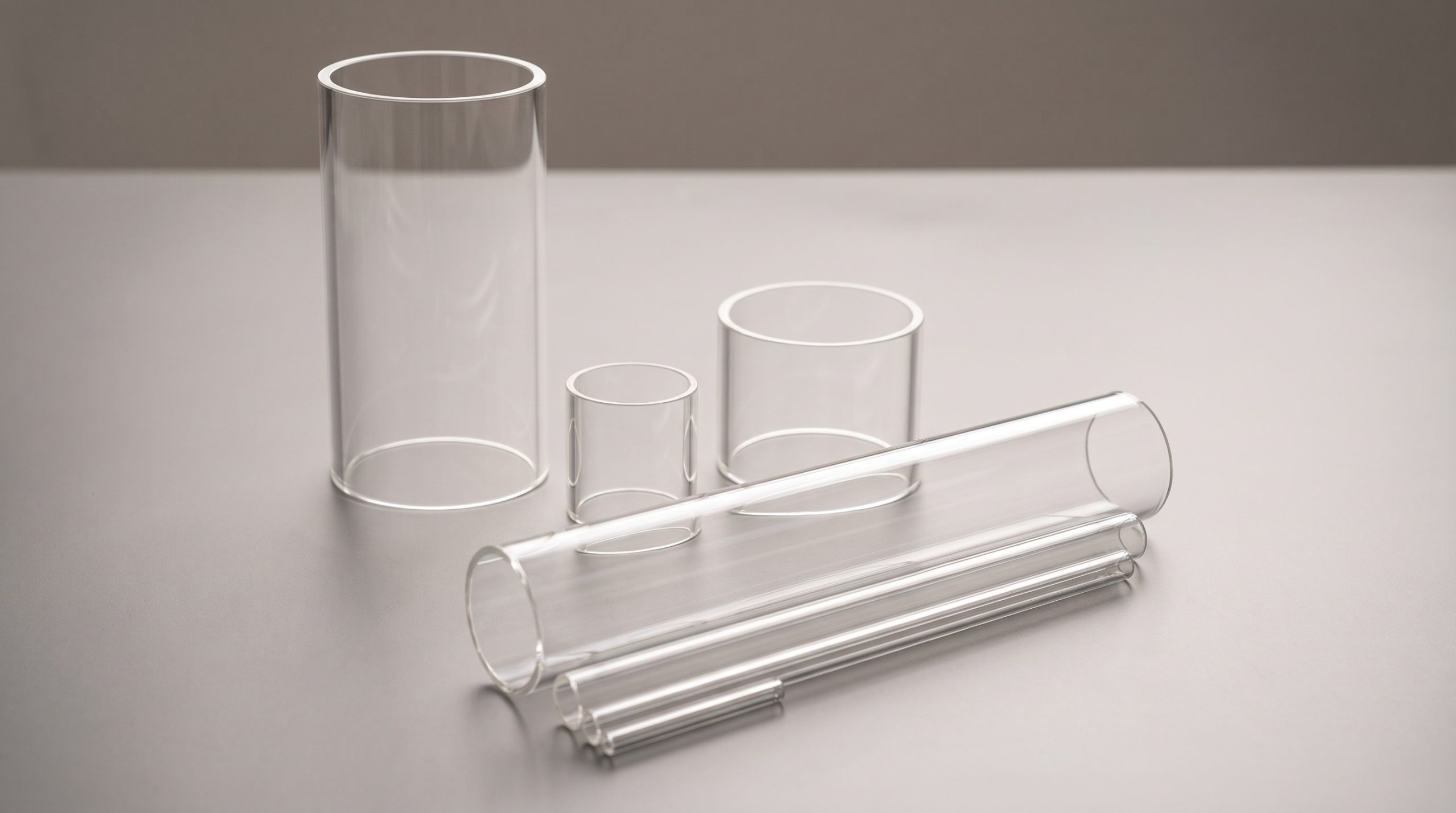
What matters before the first part is made
For a prototype or short run, an early discussion of the actual acceptance requirements is often more useful than a quick price based on the drawing alone.
-
Critical dimensions
Identify the features that control fit or function. Confirm which tolerances are essential and how the relevant dimensions will be measured. Not every dimension requires the same level of control.
-
Material and documentation
Specify the required quartz grade and operating conditions. Where material data, certificates or traceability are necessary, confirm the available documentation during quotation rather than assuming it will accompany every order.
-
Manufacturing route
The drawing remains the reference. If stock sizes or fabrication limits create an issue, proposed changes to non-critical features or material selection should be explained and approved before production.
-
Timing and verification
Lead time depends on stock, processing complexity and inspection. Some designs may justify a sample-first approach, with acceptance criteria agreed before further parts are released.
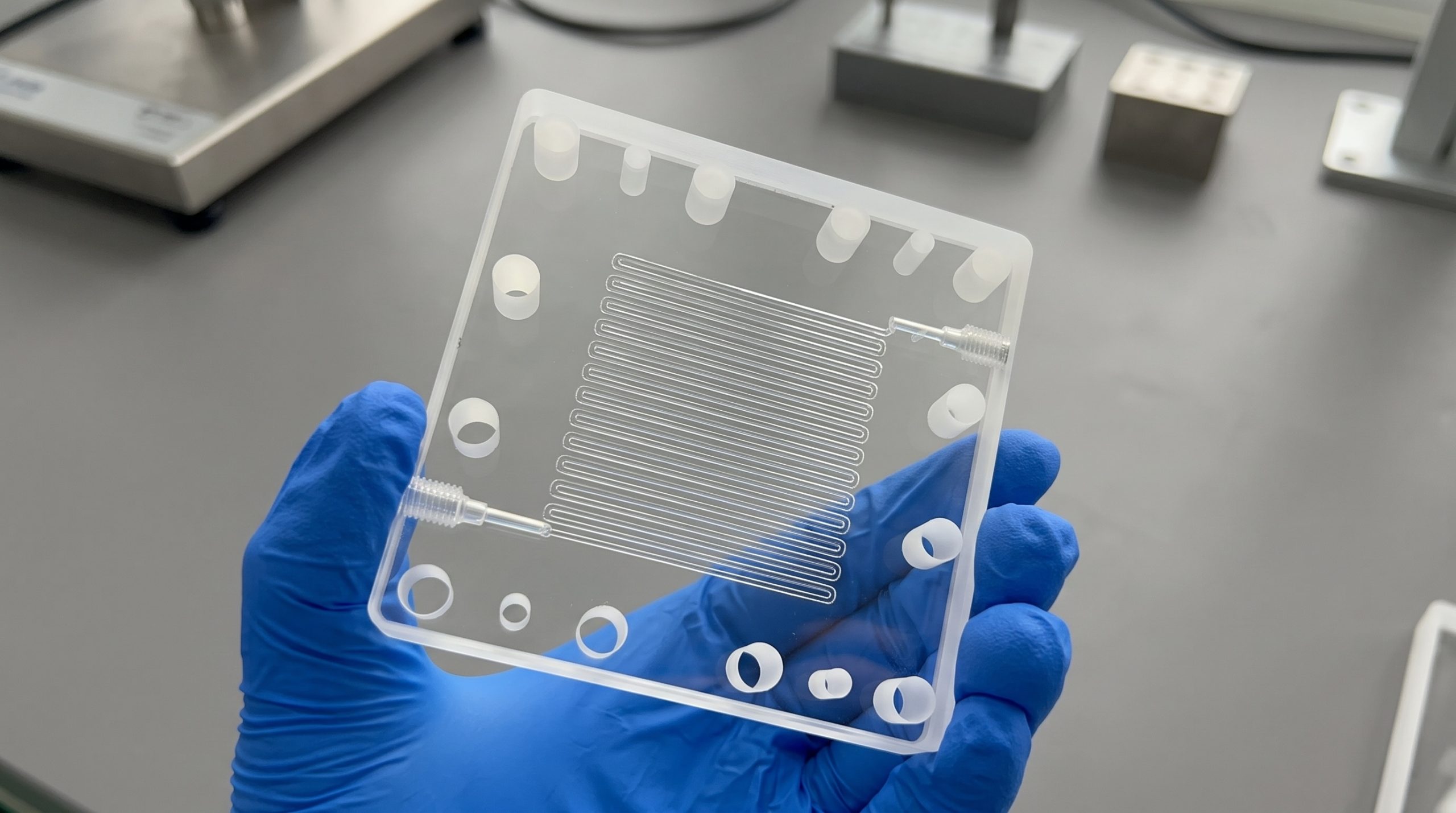
Is there a minimum order quantity?
We do not use quantity alone as a reason to decline an inquiry. Feasibility, practical order minimums and pricing are assessed for each component. A simple part using available stock may be suitable for a very small order; another design may need a larger material purchase or more setup work to be viable.
If the unit price is difficult to justify, there may be options worth discussing: using a suitable stock size, adjusting a non-critical feature with approval, or planning a prototype and a later repeat order. Producing one lot with staged deliveries may sometimes be practical; running several separate small lots can instead increase setup costs.
Small quantity does not mean a simpler specification. It means the technical scope, fixed costs and expected outcome should be understood early.
What to send—even if the drawing is not final
A finished CAD drawing helps, but an initial review can often begin with a dimensioned sketch, a photograph of an existing part or a clear description of its function.
- Drawing or reference: PDF, sketch, photograph or sample details with units.
- Quantity: Immediate requirement and any realistic repeat demand.
- Critical features: Fit dimensions, tolerances, seals and surface requirements.
- Application: Temperature, chemicals, pressure, cleanliness or other relevant operating conditions.
- Practical requirements: Documentation, inspection needs, target delivery date and destination.
Not every detail has to be settled for the first conversation. Manufacturing and acceptance requirements do need to be agreed before production.
A practical review, not an automatic yes
ZPURE Quartz works with selected fabrication resources to assess custom fused-quartz requirements. Our role is to clarify the application, review material and manufacturing options, and coordinate the next steps where a workable route exists.
Some small orders will be straightforward. Others will need changes, testing or a different approach. When a request is not practical, identifying the limiting factor is more useful than giving an unrealistic quotation.