Author: Ethan Wang
-
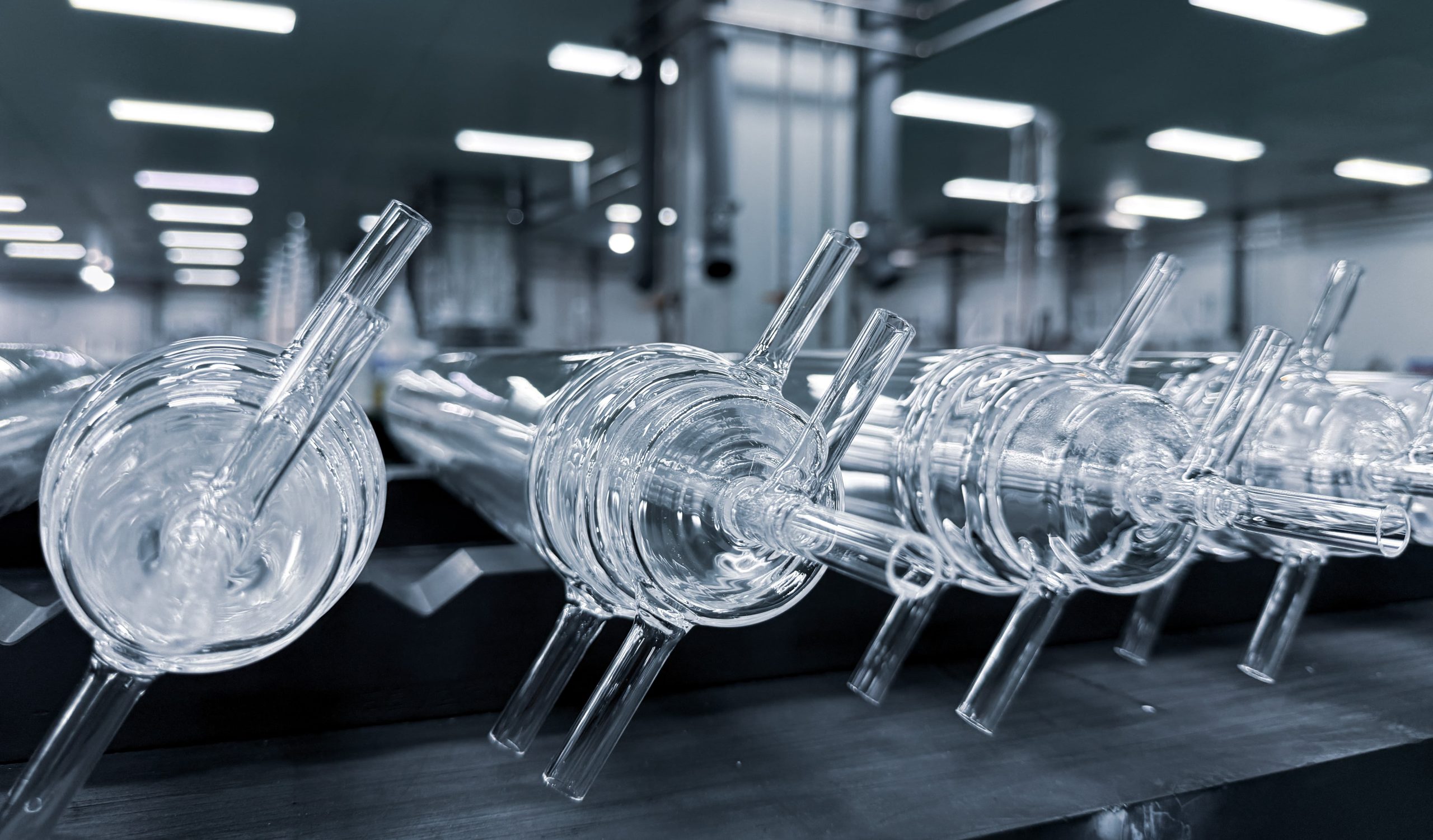
When the Drawing Is Right but the Process Route Is Wrong: A Fused Silica Tube Case
•
A correct drawing can still lead to the wrong fabrication route. For thin-wall closed-end fused silica tubes, geometry, critical dimensions and final inspection should determine whether machining or flame working is the more workable starting point.
-
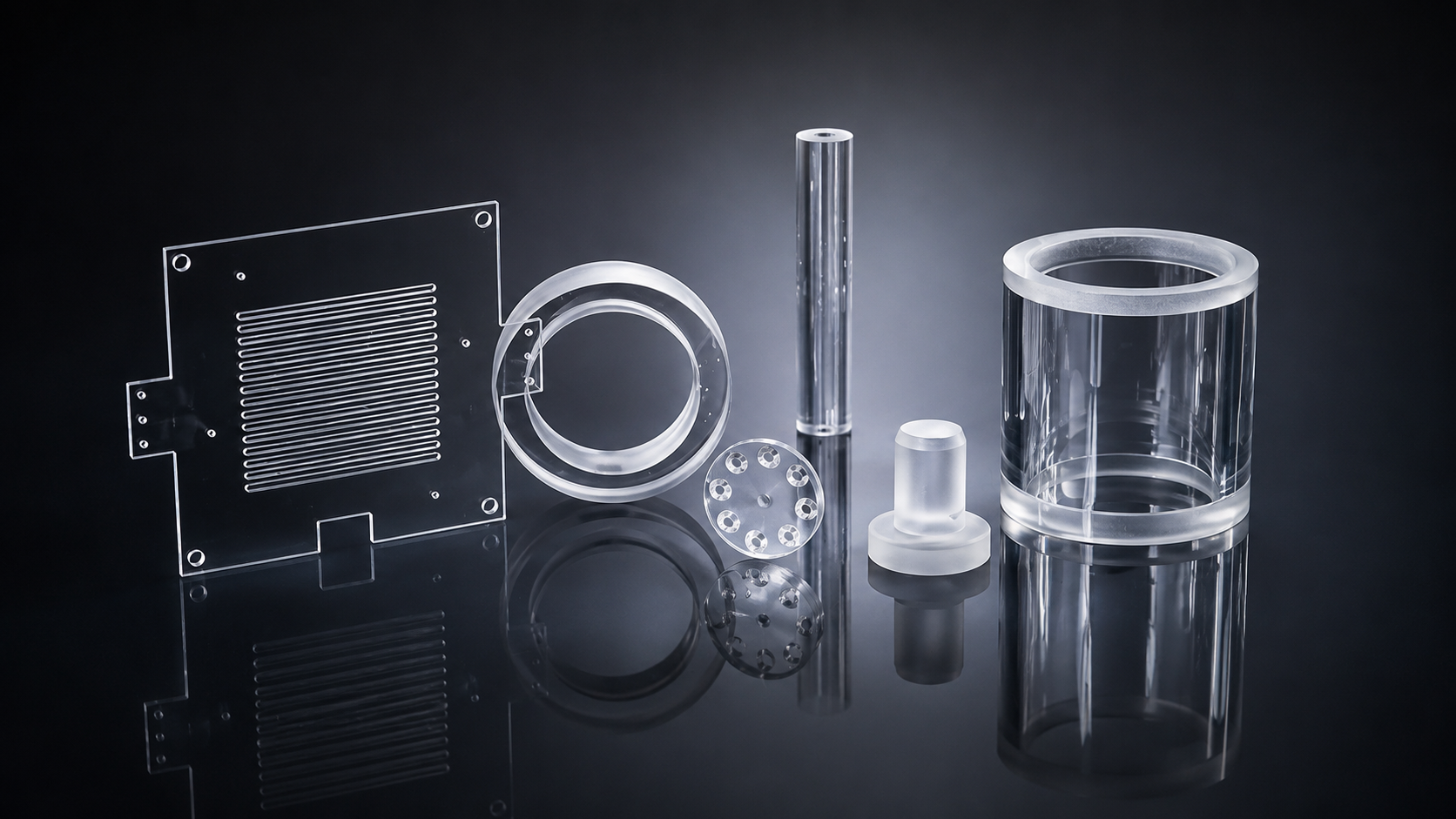
Does a Tight Tolerance Need to Apply to the Entire Quartz Part?
•
Tight tolerances do not need to apply equally across every quartz component. This note explains how function, process route and inspection should determine where precision actually matters.
-
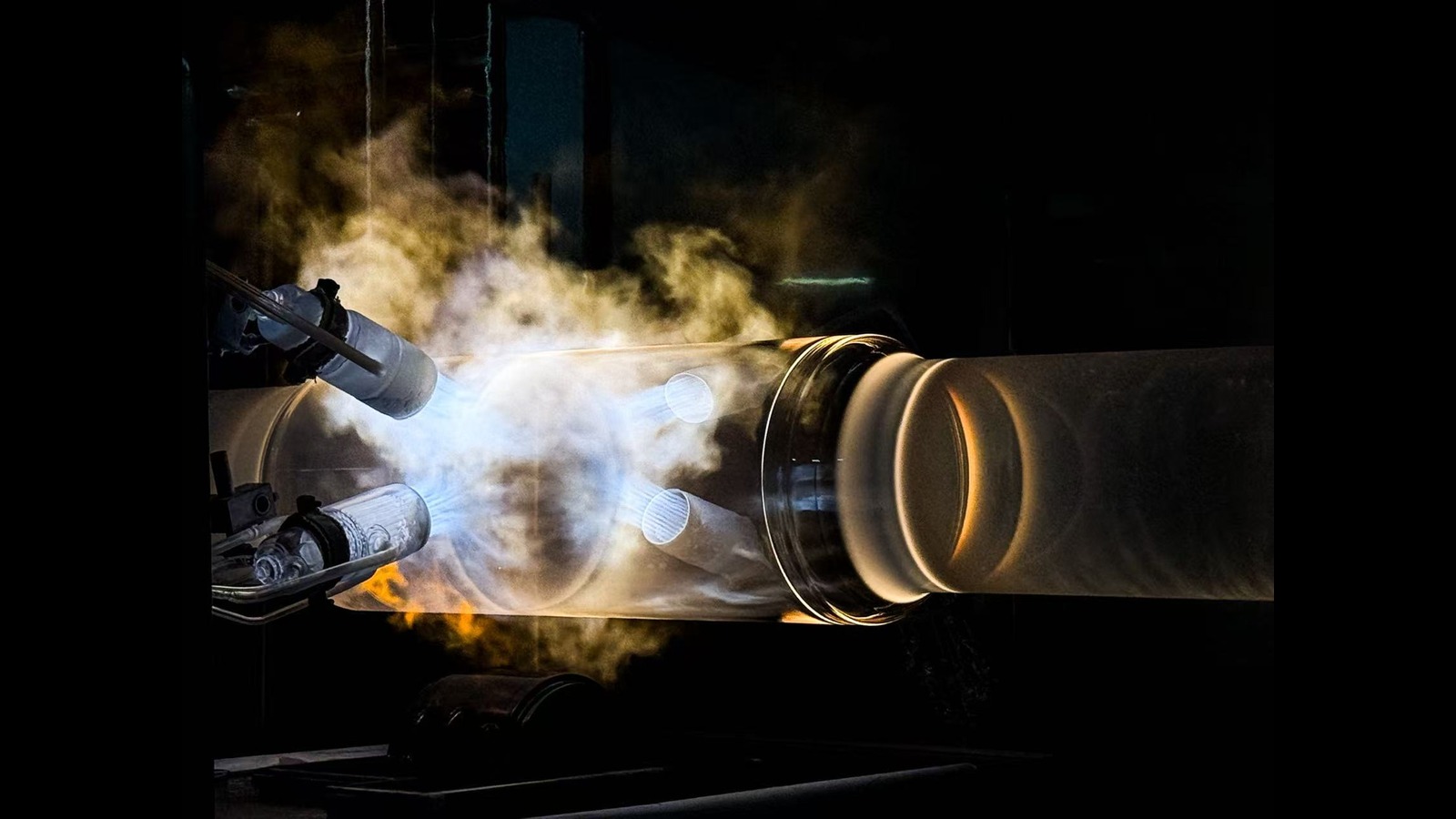
Fire Polishing Improves Clarity — But How Can It Change Dimensions?
•
Fire polishing can improve the clarity of machined quartz surfaces, but it may also round edges, shift finished length, or alter thin-wall geometry. This note explains when dimensional review is necessary.
-
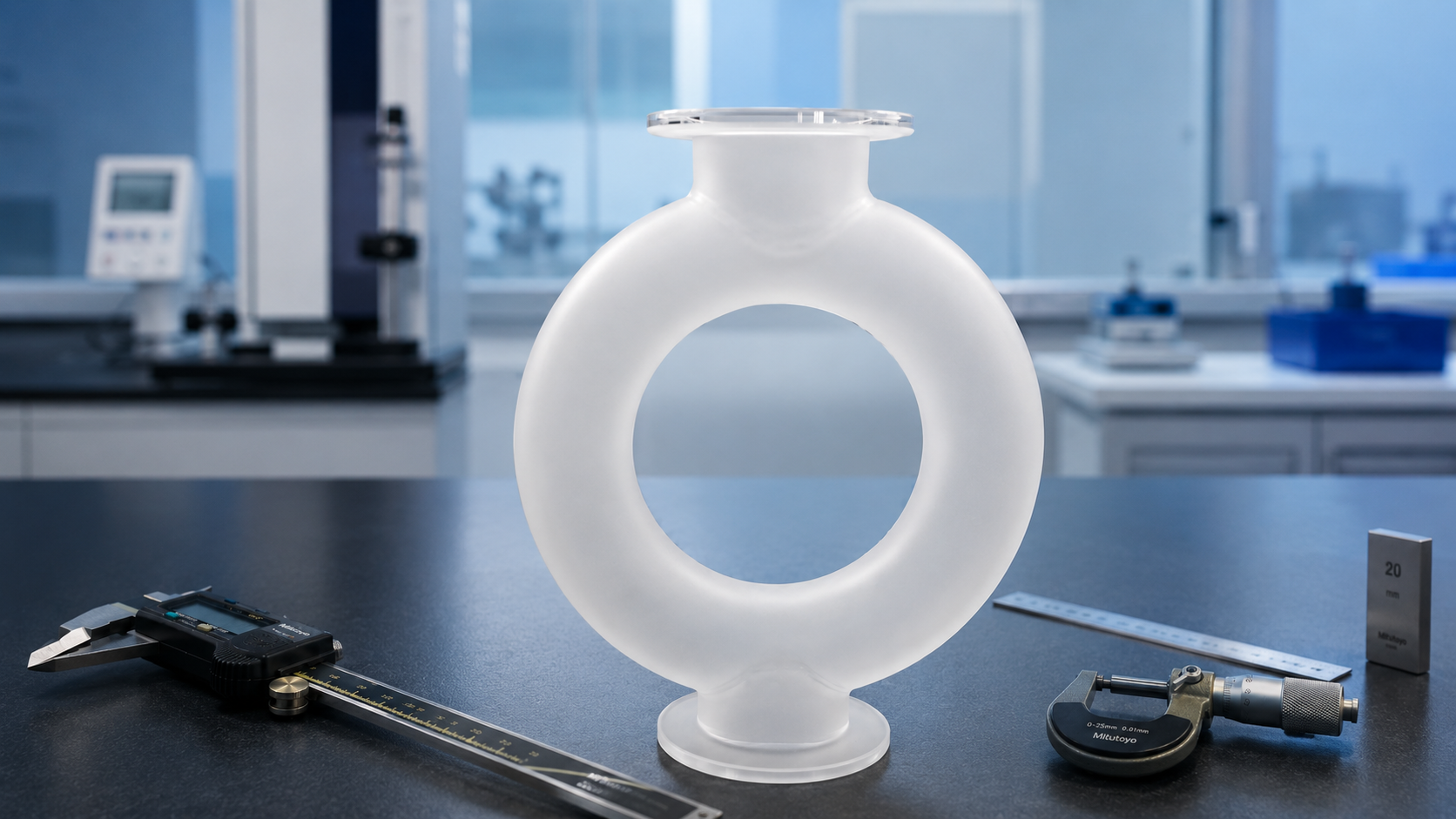
High-Purity Fused Quartz for Extreme Chemical and Thermal Lab Work
•
Material Selection A fused quartz tube can withstand thermal shock that would destroy many common laboratory materials. In some cases, even rapid quenching from red heat is possible. That resistance is one reason fused quartz has stayed important in extreme laboratory work for decades — but it is not the…
-

Custom vs. Standard Quartz: When Is a Custom Part Worth It?
•
A practical guide to deciding when a standard quartz part is enough, when light modification makes sense, and when full custom fabrication is truly worth the cost.
-

Sourcing Quartz Components from China: 5 Questions to Ask Any Supplier
•
Five practical questions to ask before sourcing quartz components from China — covering process routes, inspection, accountability, and the value of working with a supplier who communicates clearly.
-
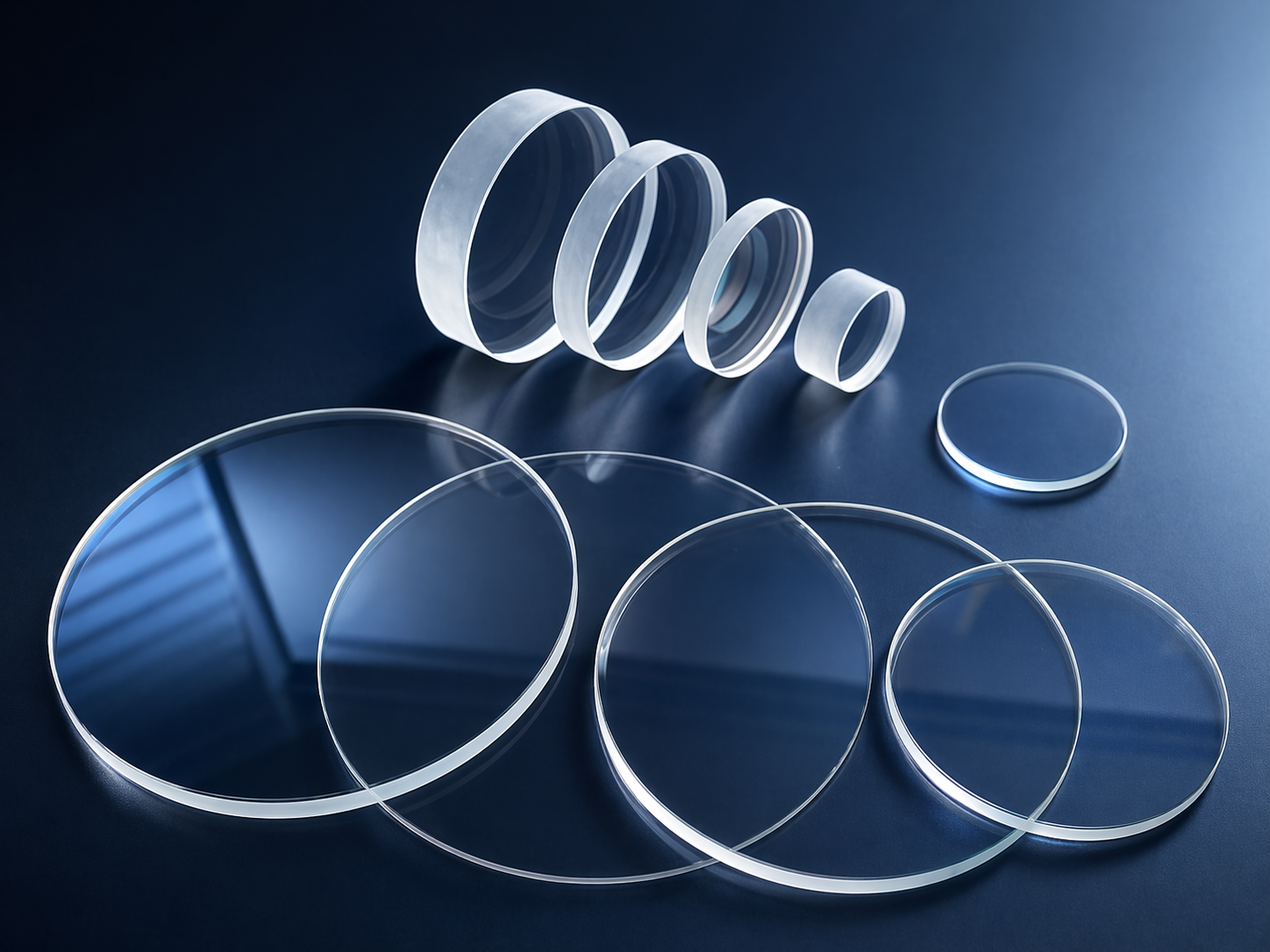
Fused Quartz vs. Synthetic Fused Silica: Which Does Your Application Actually Need?
•
A practical guide to choosing between fused quartz and synthetic fused silica based on UV transmission, contamination limits, optical requirements, and cost.