Technical Notes
Quartz glass,
explained clearly.
Practical notes on quartz glass materials, fabrication methods, and specification decisions. Written for engineers, buyers, and project teams who need clear answers before requesting a quotation.
From material to inspection
Notes for better specifications.
-
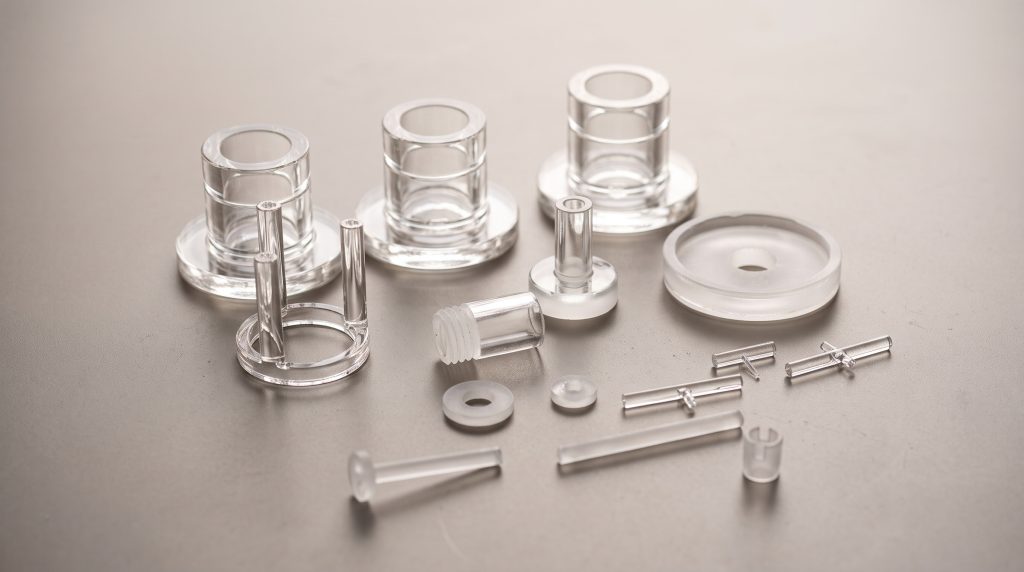
Small-Batch Custom Quartz Parts: What R&D Teams Should Know
Read note →: Small-Batch Custom Quartz Parts: What R&D Teams Should KnowNeed just a few custom quartz parts? Learn how material availability, setup costs, tolerances and inspection requirements affect small-batch feasibility and pricing.
-
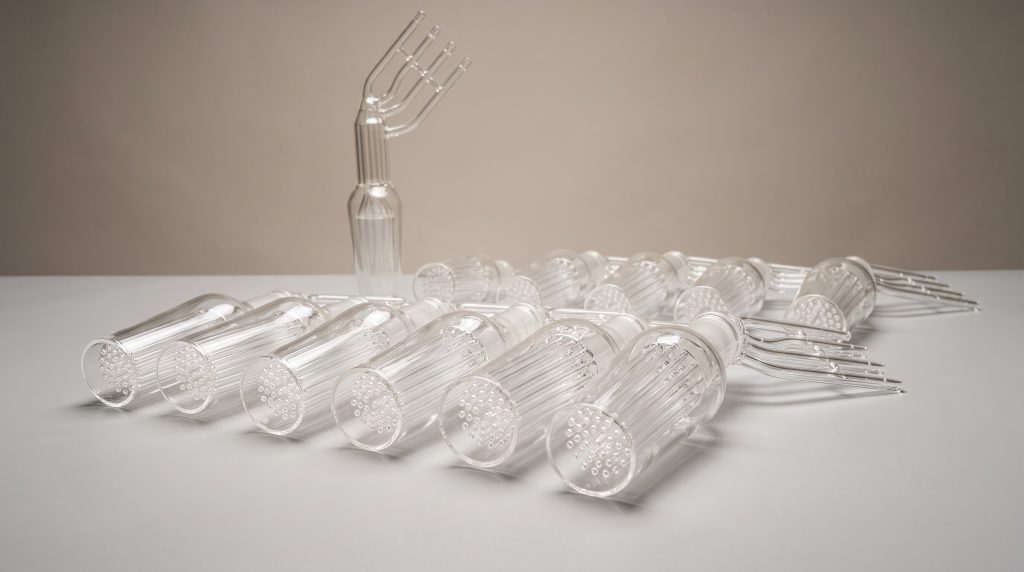
Quartz Glass Burners vs. Metal Burners: How to Choose for Precision Glass Processing
Read note →: Quartz Glass Burners vs. Metal Burners: How to Choose for Precision Glass ProcessingZPURE QUARTZ / PROCESS & APPLICATION In precision glass processing, a burner is more than a source of heat. Its outlet layout, gas delivery and head material all affect what happens at the workpiece. A quartz glass burner is not automatically better than a metal burner. It becomes worth considering when reducing potential metal contamination…
-
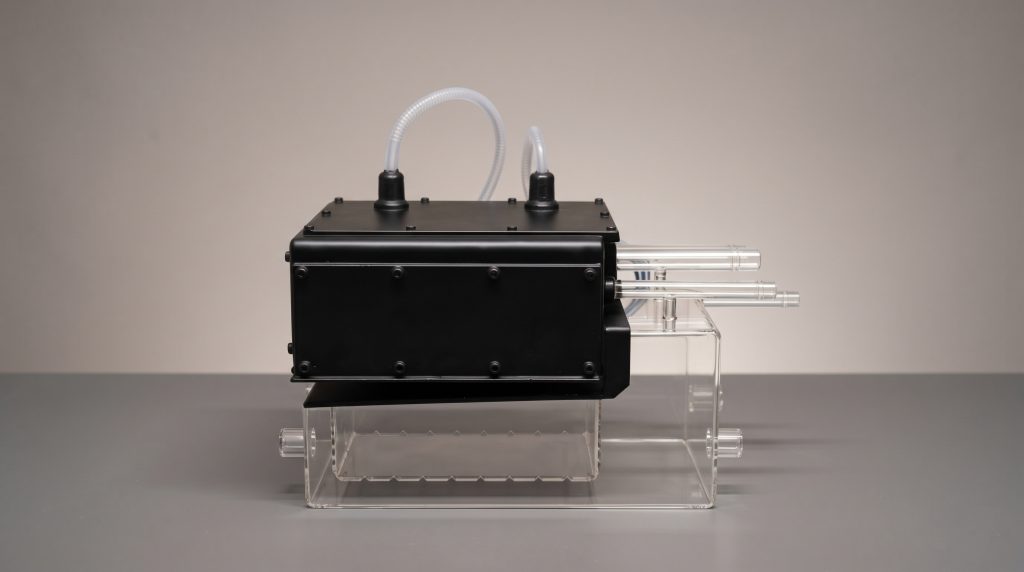
Fused Quartz Cleaning Tanks: What Engineers Should Check Before Sourcing
Read note →: Fused Quartz Cleaning Tanks: What Engineers Should Check Before SourcingTechnical Note / Semiconductor Wet Processing In semiconductor wet processing, a cleaning tank is part of the process—not just a container. Its surfaces contact the chemistry, and its design affects how the bath is heated, drained, maintained and kept clean. Fused quartz is a practical choice for certain high-purity wet processes. But material compatibility must…
-
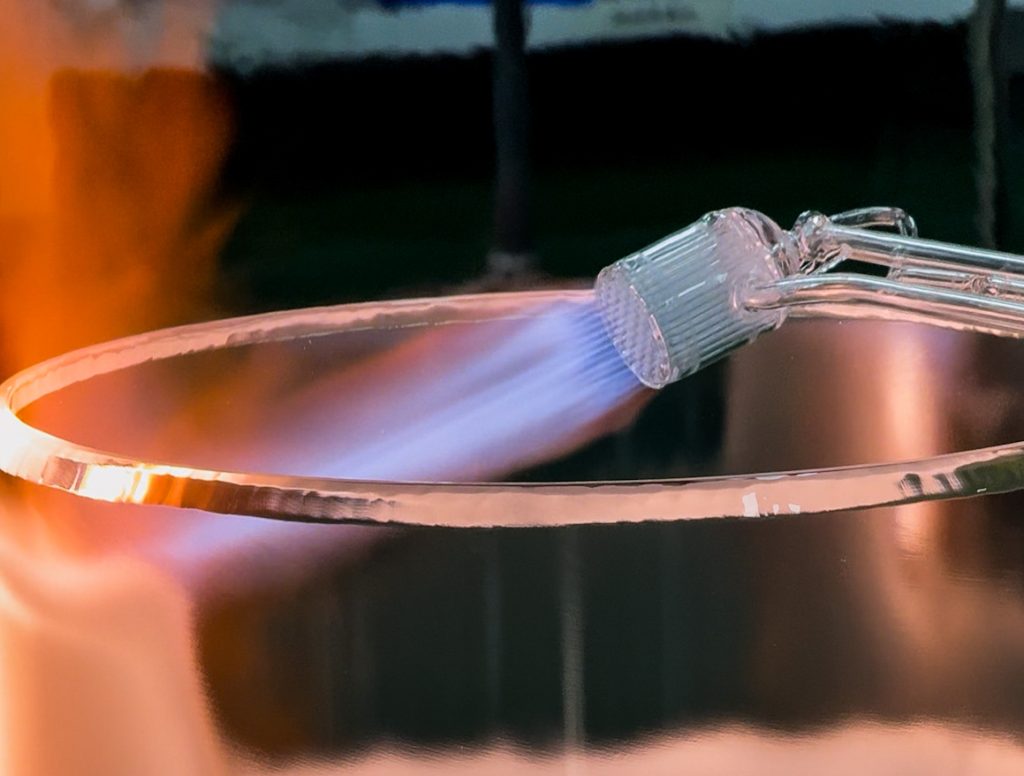
Custom Quartz Burners: Why the Gas Connections Matter
Read note →: Custom Quartz Burners: Why the Gas Connections MatterProject Note / Custom Fabrication A flame video started the conversation. The harder questions concerned what was behind the flame. An industrial customer in Europe approached us about replacement quartz burners for an existing working setup. The requirement was not simply to reproduce a burner head. The new parts had to match a specific gas-control…
-
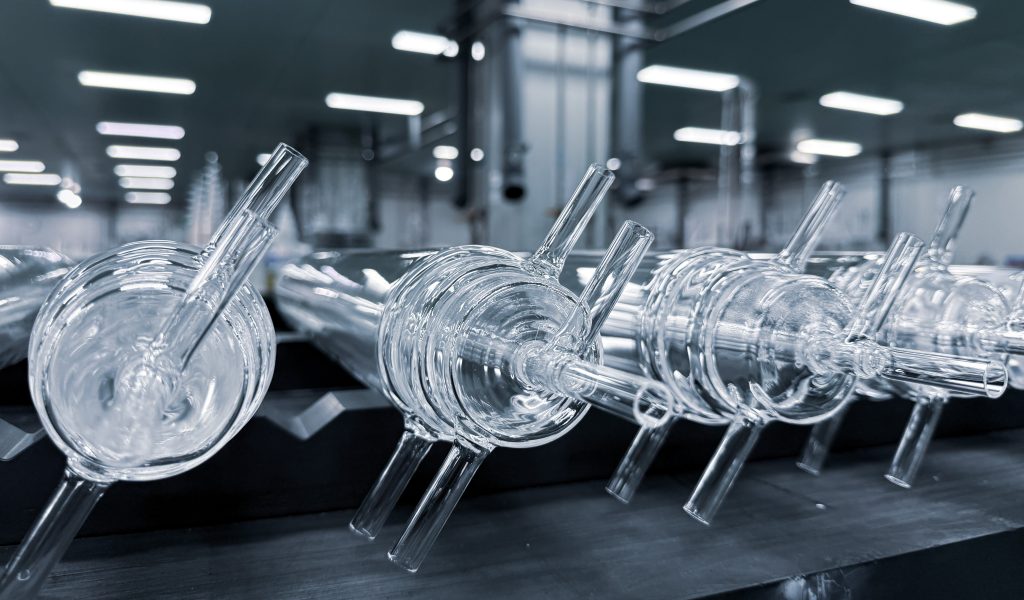
When the Drawing Is Right but the Process Route Is Wrong: A Fused Silica Tube Case
Read note →: When the Drawing Is Right but the Process Route Is Wrong: A Fused Silica Tube CaseA correct drawing can still lead to the wrong fabrication route. For thin-wall closed-end fused silica tubes, geometry, critical dimensions and final inspection should determine whether machining or flame working is the more workable starting point.
-
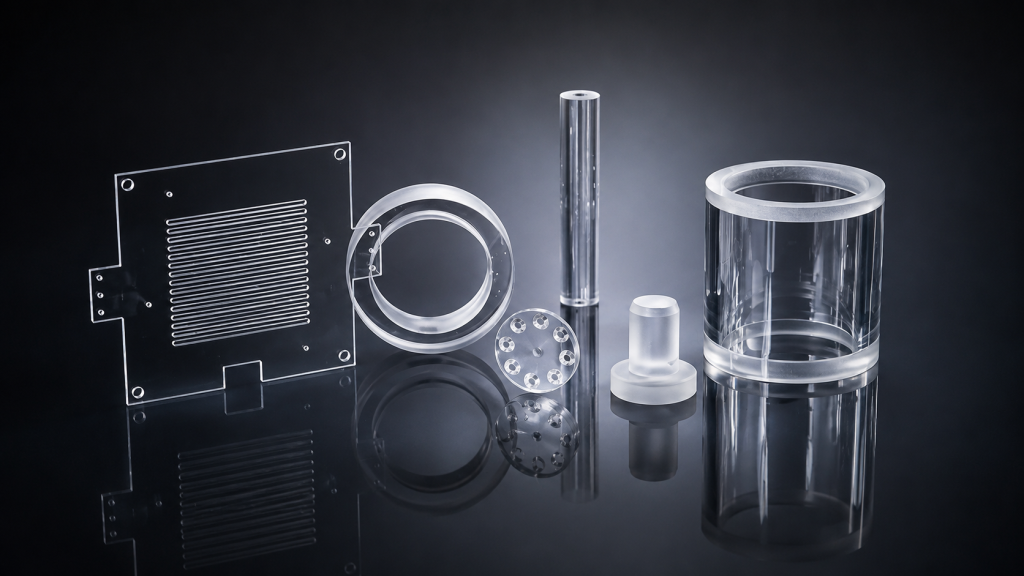
Does a Tight Tolerance Need to Apply to the Entire Quartz Part?
Read note →: Does a Tight Tolerance Need to Apply to the Entire Quartz Part?Tight tolerances do not need to apply equally across every quartz component. This note explains how function, process route and inspection should determine where precision actually matters.
-
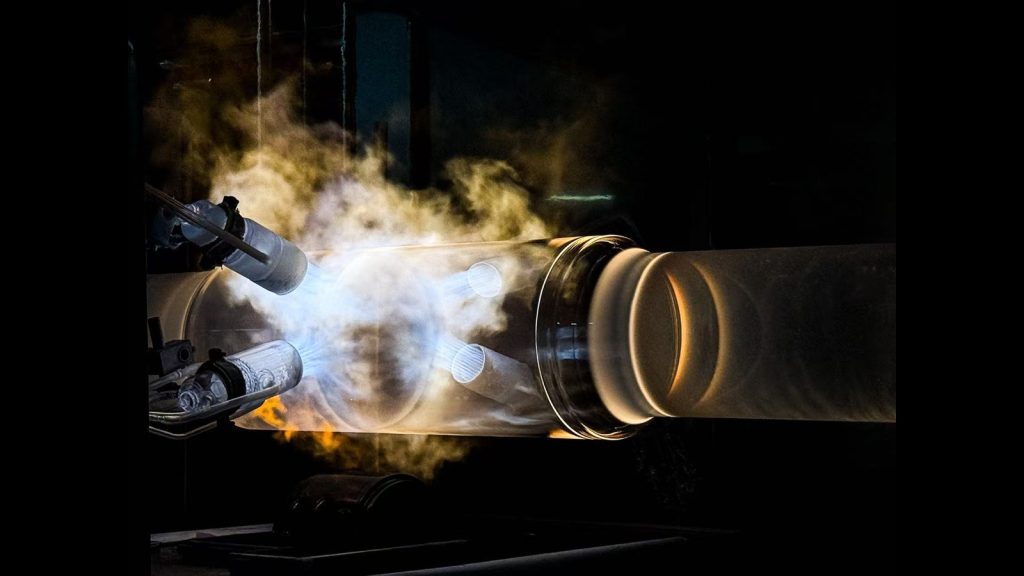
Fire Polishing Improves Clarity — But How Can It Change Dimensions?
Read note →: Fire Polishing Improves Clarity — But How Can It Change Dimensions?Fire polishing can improve the clarity of machined quartz surfaces, but it may also round edges, shift finished length, or alter thin-wall geometry. This note explains when dimensional review is necessary.
Explore by topic
Follow the question.
Use these starting points when the issue is material choice, process route, specification, or supplier evaluation.
Material selection →
Purity, OH, wavelength, thermal duty, and starting material families.
Process routes →
Flame working, CNC machining, finishing, fusion, and inspection.
Technical resources →
Drawing review, tolerances, material decisions, and pre-quotation questions.
Supplier evaluation →
Process transparency, inspection, accountability, and communication.
Drawing-based review
Have a specification question?
Send a drawing, sample photo, or operating conditions. We will review the requirement and respond with practical feedback before quotation.